Earlier stages of the Design Thinking process focus on observing, listening, defining the problem clearly, and clarifying what success should look like before jumping to the solution itself.
With a clearly defined problem in hand, you are ready to start building toward a solution. The Iterate stage is where you move from definition to action - generating ideas, prototyping quickly, and testing with real users.
Each iteration cycle brings you closer to a solution that actually works.
Now it's time to start building — but what?
…we don't know exactly, yet - and that's intentional!
When you try to define the entire solution upfront, you have to make a lot of assumptions about the most effective approaches - early guesses can harden into plans.
If we pretend we have solution certainty too early, we'll most likely end up very carefully building something ✨beautiful✨ that does not actually serve the people it was meant to help.
♻️ Iterative Development says:
- We know enough to take a thoughtful next step.
- We do not know enough to assume the whole plan is right.
- We will test, learn, adjust, and keep moving towards the solution.
A useful iteration is a focused cycle that helps the team learn something important.
Rapid, grounded cycles add up to a solution that is much more likely to actually solve the core problem.
♻️ Iterative Development contrasts with ⛲ Waterfall Development
⛲ Waterfall Development involves non-iterative, incremental development which:
- Begins with a fully comprehensive solution specification
- Relies on a pre-defined, sequential development process that flows like a waterfall through all phases of a project with each phase completely wrapping up before the next phase begins
- Involves stakeholders only at the start and the end of the project
⛲ Waterfall is essential when the blueprint is knowable
When the solution is already well understood, there's little to learn along the way.
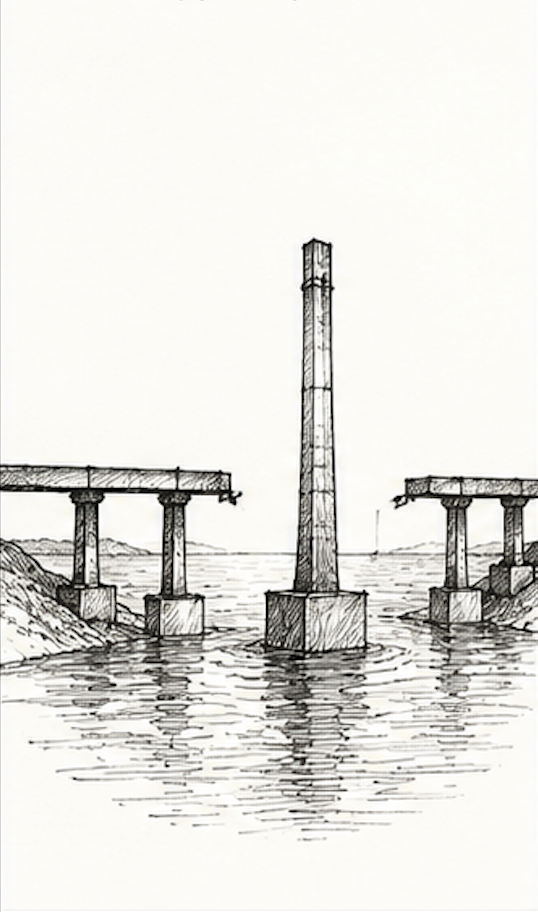
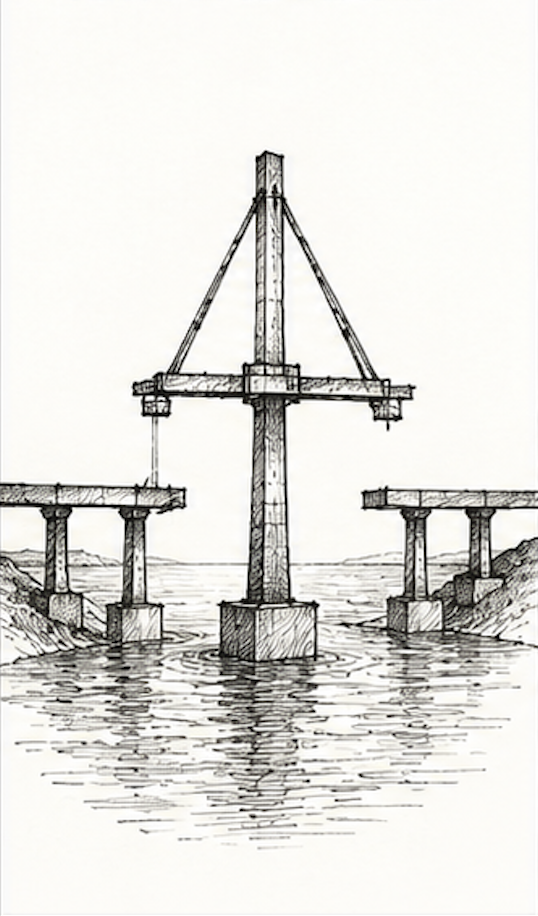
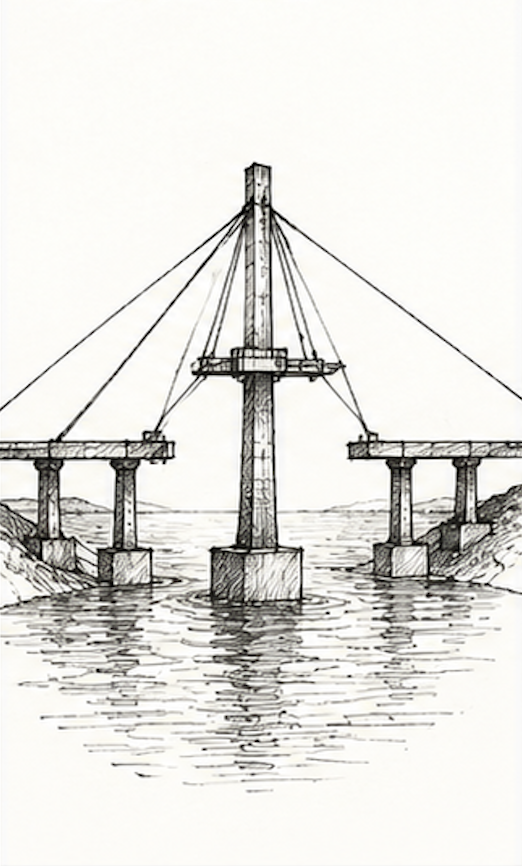
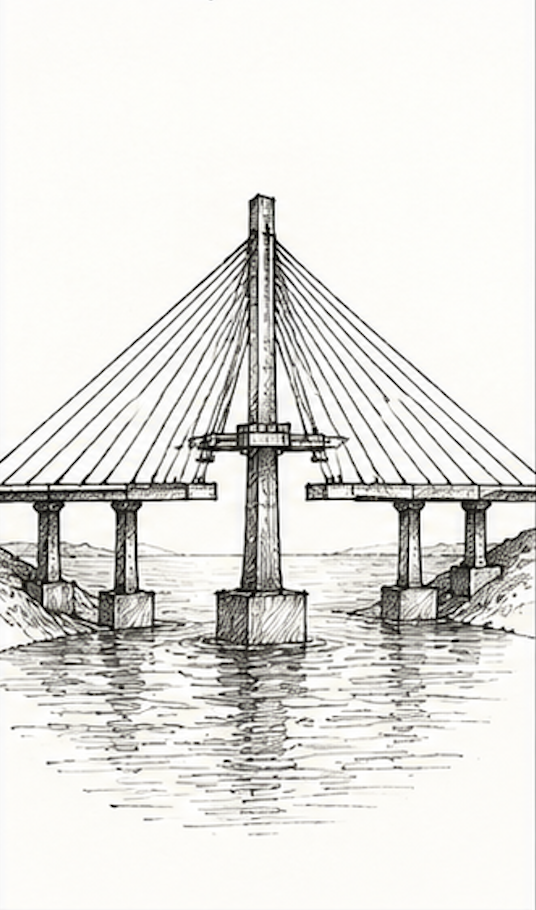
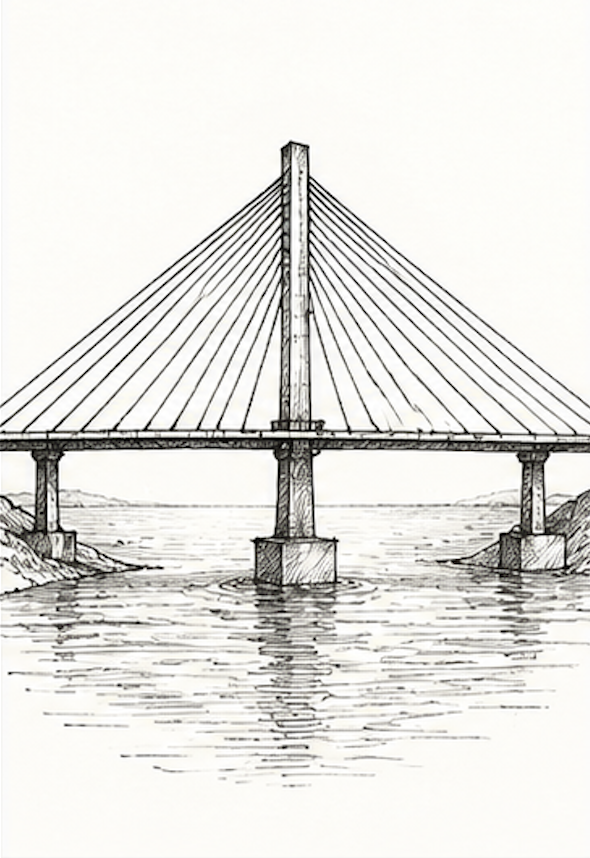
Example 1: A bridge 🌉
📐
Problem Statement
The transportation authorities need a bridge that lets vehicles and pedestrians safely cross the river so that they can reliably connect both sides of the city for decades to come.
1. Erection of piers and support spans
2. Construction of work station on central tower
3. Installation of temporary stay cables and first erection cables
4. Extension of central span
5. Completion of central span and removal of temporary cables
…but challenges arise when the problem is novel and the solution isn't already known:
🔮 You are relying on "mythical certainty"
- Assumes you can write a fully comprehensive spec before any real work begins
- Writing that spec forces you to guess at things that are truthfully unknowable this early on
- High precision, low accuracy — the plan looks exact, but it's often confidently wrong
- Only works if stakeholders already have a crystal-clear, fully-articulated idea of what they need
💸 Changes can be costly
Because timelines and work are locked in upfront:
- Each stage depends on the one before it, so even a small scope change can cascade into big rework
- Requirements that aren't nailed down at the start tend to surface as expensive surprises later
⏳ There isn't anything usable until the end
There's nothing real to test, use, or react to until the very end — so if the solution is off-track, you won't find out until it's already fully built.
🗣️ There isn't space for continuous feedback
Since stakeholders only see the work at the start and the end, misunderstandings and wrong assumptions about their needs aren't caught until it's too late (and expensive) to change course.
❌🤸 A pre-determined solution means low flexibility
- Good ideas that surface mid-project are hard to act on — the plan has no room to absorb them
- Big requirement changes mean re-planning from scratch rather than adjusting course
…there's a better way!
♻️ Iterative Development lets the concept and the solution eventually converge
You progress toward your desired result each time you iterate and get user feedback.
Example 2: Creating a commissioned portrait
🖼️
Problem Statement
The client needs a commissioned portrait that captures their likeness and presence so that they have a piece that feels personal and complete for their home.
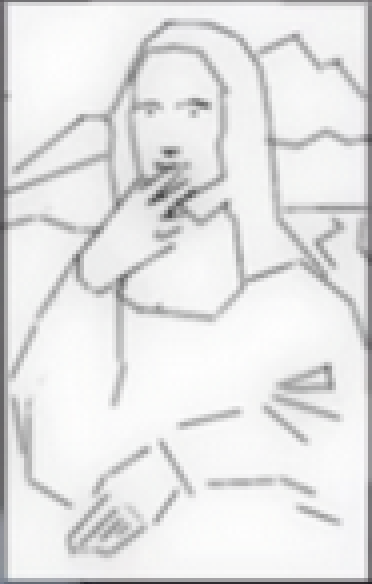
Working prototype
A rough sketch capturing the basic pose and framing.
💬 Feedback: Now that I'm seeing the pose sketched out, I realize the hands feel a little stiff - I'd actually prefer something softer and more natural, and it's hard to judge the overall feel without any color yet.
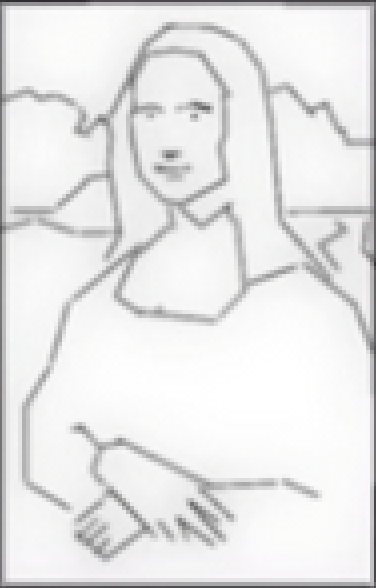
Refine hand positioning
Based on that feedback, hand positioning was refined to feel more natural.
💬 Feedback: Now that the hands read more naturally, I realize the piece still feels flat without any color - I think I'd prefer to see it blocked in with base tones so we can judge the overall mood.
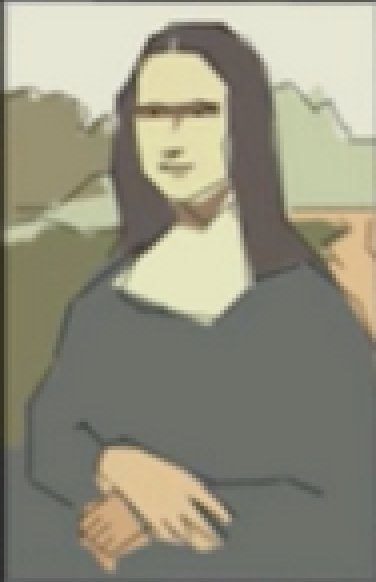
Add basic colors
Based on that feedback, basic colors were added to the figure.
💬 Feedback: Now that I'm seeing the colors, I realize they feel a little too flat and simple - I'd prefer richer tones and some shading to give it depth.
Alter colors & add detail
Based on that feedback, colors were refined and more detail was added.
💬 Feedback: Now that the shading is coming together, I realize a few areas still feel unfinished - I'd prefer just a touch more polish before we call it done.
Final, delivered
Final polish complete and delivered to stakeholders.
Source: The Agile Broadcast
Example 3: 🛹 → 🏎️
🚶
Problem Statement
Reporters need a faster way to get from the newsroom to the courthouse than walking so that they can be on scene to cover breaking stories the moment something important happens.
💬 Feedback: Walking works, but it takes too long - by the time we arrive, we've already missed the moment.
🛹
Skateboard
A simple board with wheels that requires physical effort to move.
💬 Feedback: Faster than walking, but it's tiring to keep pushing and hard to balance - we need to arrive ready to report, not out of breath.
🛴
Scooter
A two-wheeled vehicle with a platform for standing and handlebars for steering.
💬 Feedback: Easier to steer and balance, but we still get tired pushing - and it's too slow when a story breaks without warning.
🚲
Bicycle
A two-wheeled vehicle that is powered by pedaling.
💬 Feedback: Much faster and less tiring, but there's no power boost for the hill by the courthouse, and we're at the mercy of the weather to get there quickly.
🏍️
Motorcycle
A two-wheeled or three-wheeled vehicle with an engine and motor for propulsion.
💬 Feedback: Great speed and power, but we arrive exposed to the weather and can't carry camera gear or notebooks.
🚙
Car
A four-wheeled vehicle with an engine and motor for propulsion.
💬 Feedback: This covers weather protection and cargo space for gear - but we need to move fast enough to beat other outlets to the scene.
🏎️
Race car
Gets reporters from the newsroom to the courthouse fast, comfortably, and reliably enough to be there the moment something important happens - engines, suspension, and aerodynamics tuned for peak performance, built on everything learned through every round of feedback along the way.